


"The best kept secret in the film festival circuit!"

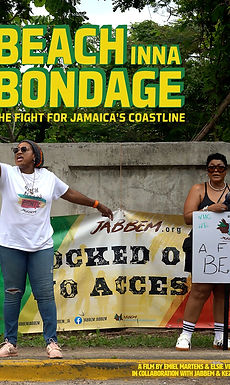
Beach Inna Bondage: The Fight for Jamaica's Coastline
Emiel Martens, Elsie Vermeer
Dir:
Jamaica, The Netherlands
Runtime (min):
30
Possible Mexico Premiere
TBD MARCH 2027
Language:
English
Documentary Short
PAIFF Season 4 (2027)
Official Selection, BI-MONTHLY SUMMER BEST SHORT DOC
Synopsis:
Beach Inna Bondage is a short documentary by Kingston-based Dutch filmmaking duo Emiel Martens and Elsie Vermeer in collaboration with the Jamaica Beach Birthright Environmental Movement (JaBBEM) and Grammy-winning Jamaican reggae arist Keznamdi exploring the growing struggle for beach access in Jamaica. Since the 1950s, public access to the island’s beaches has steadily declined, leaving less than one percent of the coastline publicly accessible for Jamaicans. Over the decades, most of Jamaica’s beaches have been captured by private and tourist interests, and particularly since the 2000s large-scale hotel developments have limited beach access for Jamaicans.
This film follows the grassroots movement resisting the privatization of Jamaican beaches by zooming in on three frontline struggles: Bob Marley Beach near Kingston, the Blue Lagoon in the parish of Portland, and Mammee Bay Beach on the island’s North Coast. The interviewees, all Jamaicans, reveal how the 1956 Beach Control Act, which is still in effect today, vests ownership of the foreshore in the Jamaican state (and actually the British Crown) and traces how this colonial-era law, combined with the island’s all-inclusive tourism model, has displaced communities, disrupted livelihoods, and degraded environments. Interwoven with archival footage, news clips, and recordings of protest rallies and court cases, the interviewees situate today’s beach access struggles within Jamaica’s troubled history of land ownership following emancipation and independence. They argue that the island’s tourism industry replicates plantation logic by monopolizing land, concentrating wealth, exporting profits, and, ultimately, marginalizing the people.
Beach Inna Bondage shows that beach access, which is not only an issue in Jamaica but across the Caribbean and beyond, is an urgent matter of historical, economic, social, cultural and environmental justice, raising the question of who the tropical paradise of sun, sand, and sea truly serves, and at what cost...