


Why the Right Film Festival Matters
Why the best festival experiences happen when the festival, filmmaker, and audience all show up for one another.

Submitting a film to a festival is an act of trust. A filmmaker hands over work that may have taken years to complete, along with a submission fee and the hope that someone on the other side will give it genuine consideration.
Accepting that submission creates a responsibility for the festival. But the relationship cannot end there, and it cannot rest entirely on one side.
The strongest festival experiences are built as partnerships between the festival, the filmmaker, and the audience. Each plays a different role in creating the energy, connection, and sense of discovery that make an in-person festival worthwhile.
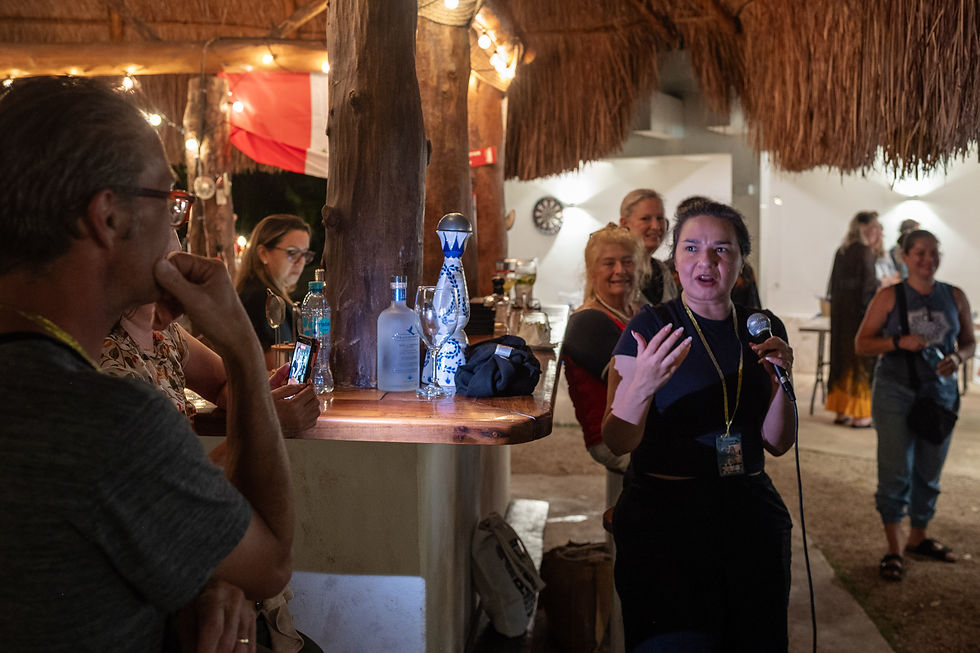
Having participated from all sides of this relationship, I feel a responsibility to curate an environment where everyone feels a sense of ownership, as though it is their festival too. My team and I may serve as guides in a public assemblage journey, but we are experiencing it right alongside the filmmakers and audiences. Nothing brings me more happiness than watching those experiences blur and blend together, and seeing the expressions and emotions on people’s faces when a moment becomes genuinely life-changing.
Bigger Does Not Always Mean Better
It is easy to build a festival strategy around name recognition. The biggest festivals attract worldwide press, established industry professionals, major premieres, and thousands of submissions. They can offer extraordinary opportunities, but their acceptance rates are extremely low, and even a selected independent film may struggle for attention alongside larger productions.
Smaller and regional festivals offer something different. They may provide more direct interaction with programmers, closer access to audiences, longer conversations after screenings, and a greater opportunity to become part of the festival community.
Neither experience is automatically better. What matters is which one makes sense for the film.
The right festival understands what a film is trying to accomplish and has an audience likely to connect with it. It also fits the filmmaker’s goals, budget, availability, and expectations. Prestige can be valuable, but prestige and personal value are not always the same thing.
I have experienced these values firsthand, from years of helping grow music festivals into massive, multi-day stimulation overloads to becoming a filmmaker myself and walking onto an intimate theater stage to accept an award in a small room full of peers. In that brief moment, beneath the flickering lights, you realize it is not really about the physical trophy. It is about reinforcing the value of a shared, intimate experience and reminding us that our stories, and the people who create them, do not have to become lost or overshadowed within the vast grandness of an infinite universe. Ask me sometime about easing my stage anxiety with a handful of mushrooms before the ceremony. That is a story for another blog, but you get the idea.

What Festivals Owe Filmmakers
Festivals that accept submission fees owe filmmakers more than a digital laurel and a list of promises.
They owe each submission thoughtful consideration. They should communicate clearly, publish accurate rules, explain additional costs, and be honest about the scale of the event. They should schedule screenings responsibly, promote the program, engage the local community, and make a serious effort to bring audiences into the room.
Festivals should also be careful with expectations. A selection or award can provide recognition, credibility, and momentum, but it does not guarantee distribution, representation, press coverage, or a career-changing opportunity. Those things sometimes happen, but possibility should never be presented as a promise.
Transparency matters because filmmakers are making real financial decisions. Submission fees are only the beginning. Travel, lodging, transportation, meals, and time away from work can quickly turn a festival appearance into a major investment.
Filmmakers deserve enough honest information to decide whether that investment is right for them.
And this is why the right community, the right space, and the ambiance of a venue play such a significant role in determining whether a festival, a film, and an audience truly belong together. When you step into a community for the first time and it somehow feels like home, that is when you know. And by home, I mean the kind of place that feels comfortable, relaxing, and welcoming, frills and all. Not too posh, but still polished enough to respect the value of the experience, where people can feel seen, heard, and treated with dignity without any sense of pretentiousness.

What Filmmakers Should Consider
Festivals also need filmmakers to look beyond the laurel.
Before submitting, filmmakers should study the festival’s previous programs, audience, location, screening format, rules, selection process, and overall personality. A strong film can still be a poor programming fit. Believe me, I’ve made that mistake. That does not make the film unsuccessful or the festival dishonest. Programming is subjective, and every festival edition is building a particular experience for its audience.
It helps to begin with a clear goal. Is the priority industry exposure, audience feedback, regional recognition, networking, awards, press, travel, or simply watching the film with people in a confined space?
There is no wrong answer, but the answer changes which festivals are worth pursuing.
If a filmmaker is selected and chooses to attend, participation also matters. Joining conversations, attending other screenings, supporting fellow filmmakers, promoting an appearance, and spending time with the local audience can transform the experience.
That does not mean filmmakers should be expected to fill the venues themselves or carry the festival’s promotional responsibilities. Audience development is part of the festival’s job. But filmmakers who become part of the larger event often take away much more than those who arrive only for their own screening and leave immediately afterward.
And this, too, is something we have experienced firsthand. We have seen filmmakers regret not sticking around and getting more involved, only to return the following year with a renewed sense of pride and ownership, actively engaging in the process as if every film in the program were their own. This is how we build a community and a family that supports and encourages one another. As a festival, we are also doing our part to grow each year by joining organizations, attending conferences, networking with other festivals, and continuing to educate ourselves about how we can all do better and be better. Our responsibility is to keep strengthening the platform so that we can scale together, responsibly, not only as curators, but alongside the filmmakers and the audience.

The Audience Is Part of the Partnership
A festival can select a film, place it on the schedule, promote the screening, and open the gates. A filmmaker can attend, share the event, and engage with the people around them. But the experience becomes complete only when an audience enters the space.
Attendance matters, but numbers do not tell the entire story. A smaller audience that is fully engaged, stays for the conversation, asks thoughtful questions, and continues discussing the film afterward can be incredibly meaningful.
Still, intimacy should never become an excuse for poor planning or weak promotion. Festivals must make a real effort to build an audience and give every selected film a fair opportunity to be seen.
The goal is not merely to occupy seats. It is to create a genuine connection between the story on the screen and the people watching it.
So ask yourself: What is the community like at the Holiday Inn in Peoria? No offense, Peoria. Is that the right fit for your film? An online cyberfest inside the Metaverse Multiplex, you say? Hmmm. Or what about that expat community down in the Riviera Maya? The answer will be different for every film and every filmmaker. Wherever you choose to attend, we encourage you to become part of the magic. Be a participant, not just an observer.

A Festival Cannot Do Everything
A film festival can create an opportunity, but it cannot control every outcome.
It cannot guarantee a distribution deal. It cannot manufacture press attention or force an audience to connect with a particular story. It cannot promise that one award will change the course of a filmmaker’s career.
Likewise, filmmakers cannot be expected to create the entire festival experience on their own. They should not be nickel-and-dimed, bring an audience at their own expense, or spend thousands of dollars traveling simply to prove that their selection matters.
All sides need realistic expectations.
A good festival creates the conditions for something magical to happen. It brings films, filmmakers, audiences, and industry voices into the same space. It immerses itself in the local community encouraging and opening doors for young filmmakers to participate. What grows from that outreach may be a new collaborator, an honest audience reaction, a valuable conversation, a friendship, a future opportunity, or simply the unforgettable experience of watching a film connect with people in a personal way.
Those outcomes may not be guaranteed, but they are real.
So manage your expectations realistically, but don’t be shy about lending your own talents to help the experience grow. Maybe you can offer a workshop, appear on a panel, spread the word in your own communities, or simply show up as an engaged audience member. Perhaps you have an insightful resource, idea, or connection to share with the organizers. Whatever form it takes, consider that contribution part of your participation in the larger festival ecosphere.
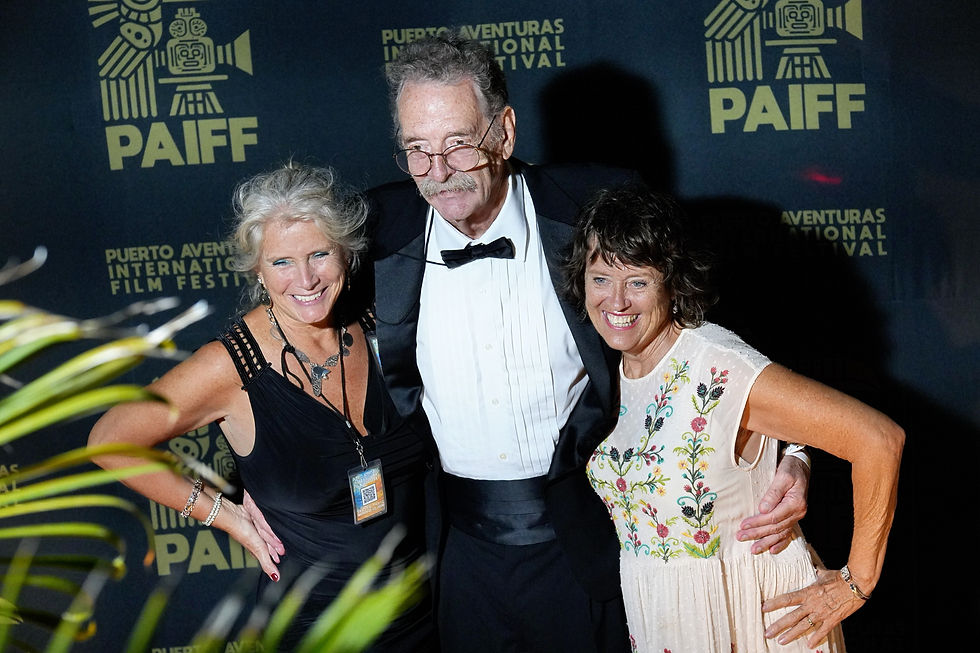
Choose the Relationship, Not Just the Laurel or the Red Carpet
The right festival is not necessarily the biggest, closest, cheapest, or most decorated. It is the one where the festival’s character, the filmmaker’s intentions, and the audience’s interests naturally come together. The film should feel at home in the program, the filmmaker should understand the experience being offered, and the audience should have a genuine reason to connect with the story.
Festivals, filmmakers, and audiences may all crave celebrity appearances and red-carpet excitement, and there is nothing wrong with a little stardust. But everyone should consider what comes with that territory: bigger crowds, tighter access, heightened expectations, and sometimes less room for genuine discovery. The infrastructure can become unmanageable. There is also something wonderful about a festival that is still relatively unknown and authentically charming, where filmmakers are not overshadowed and audiences can actually meet the people behind the work. The right experience can mix a little glamour with enough intimacy for everyone to feel part of it.
That fit has to work among all three. Festivals must select projects they genuinely believe they can support and connect with an audience. Filmmakers must choose festivals that understand their work and align with what they want from the journey. Audiences must also arrive with curiosity, participate in the experience, and remain open to discovering stories and voices they may not already recognize.
This three-way balance continues to shape how we think about our responsibilities at PAIFF. We are still learning, improving, and adjusting with every season. We believe festivals should be honest about what they can offer, filmmakers should arrive with informed expectations and a willingness to participate, and audiences should be invited to become active members of the experience rather than passive observers.
When the festival, filmmaker, and audience all show up for one another, the experience becomes more than a screening, an award, or a red carpet photo. It becomes a shared moment that can stay with everyone long after the credits roll.
That is why the right film festival matters.
-Dewey Paul Moffitt
Festival Director | Puerto Aventuras International Film Festival



Comments